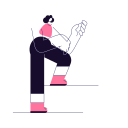
Stand Tall, Move Free

Today we dive into posture correction and back care with standing alignment drills, translating science-backed alignment cues into friendly routines you can feel working immediately. Through clear steps, relatable stories, and tiny daily wins, you will rebuild confidence, reduce stiffness, and carry energy into every hour. Bring a wall, a broomstick, your breath, and curiosity; leave with a reliable practice you can repeat anywhere. Share your questions and experiences in the comments so we can refine these drills together, celebrate each milestone, and keep motivation growing with supportive community feedback and gentle accountability.

Foundations of Upright Stability

Strong posture begins at the ground, rises through the pelvis and ribs, and settles gently beneath the head. By understanding how each region stacks and supports the next, everyday standing becomes lighter and more sustainable. We will use simple alignment images, tactile cues, and patient pacing to make benefits obvious. Expect small adjustments to deliver big relief. Share what feels different for you after a few minutes, because noticing wins quickly builds consistency and unlocks longer-lasting comfort for work, walking, and workouts without unnecessary strain or confusing instructions.

Breathing and Core Bracing for Daily Support

Comfortable standing thrives on the partnership between diaphragm, deep abdominals, and pelvic floor. Instead of forceful bracing, we want elastic support that adapts as you shift, reach, and carry. Inhale to expand gently around your sides and back, exhale to soften ribs without collapsing. This rhythm lifts posture from within, like an internal scaffold. Practice during chores or short breaks, and notice how effort drops while steadiness rises. Post your favorite breathing cue in the comments so our community can collect reliable, friendly reminders that keep spines happy and attention anchored throughout real-world days and responsibilities.

Practical Upright Routines You Can Trust

Reliable standing practices turn knowledge into body memory. We will test walls, sticks, and balance to verify alignment without mirrors or complicated tools. By comparing sensations against clear checkpoints, confidence grows fast. Practice for three to five minutes, two or three times daily, and track how stiffness changes before and after. These routines help you prepare for walks, strength sessions, or meetings while preventing energy slumps. Contribute your results and clever variations; our shared notes transform everyday corners—hallways, kitchens, and porches—into mini-studios where posture becomes simple, repeatable, and naturally protective for your back across weeks and seasons.

Movement Habits at Work and Home

Posture holds best when woven into ordinary moments: making coffee, answering emails, or chatting with a neighbor. Short, kind movement breaks refresh circulation and remind tissues they are designed to glide, not guard. We will pair tiny check-ins with real-life tasks so adherence becomes effortless. Expect fewer afternoon slumps, calmer shoulders, and clearer focus. Set calendar nudges or attach reminders to doorways and favorite mugs. Tell us which anchors work in your world; when readers compare strategies, creative solutions emerge that fit unpredictable schedules and transform familiar rooms into supportive environments for tall, easy, sustainable standing.

Desk Break Micro-Sequence

Every forty-five minutes, stand up and perform a forty-second routine: tripod your feet, float ribs over pelvis, breathe out, nod the head, and sweep arms gently without shrugging. Finish by softening knees and smiling. This quick ritual restores circulation, lubricates stiff joints, and resets your nervous system toward ease. A software engineer told us his afternoon headaches faded after two weeks. Share your best timing trick—calendar dots, browser alerts, or a favorite song—so others can adopt reminders that feel friendly rather than nagging, and keep great posture alive without stealing time from meaningful work.

Standing Kitchen Routines

While the kettle warms, practice the wall lean using a cabinet, then do two slow exhales while placing ribs above pelvis. Spread toes, soften jaw, and reach one arm overhead without flaring. Switch sides. These moments compound into big changes by dinner. Families often join, turning chores into playful resets that leave backs happier before evening plans. Tell us which kitchen spots work best—sinks, counters, or pantry doors—so our community can map everyday alignment stations that convert waiting time into comfort, strength, and a steady sense of lift throughout cooking, cleaning, and friendly conversations.

Recovering from Setbacks Without Fear

{{SECTION_SUBTITLE}}

Listening to Sensations

Curiosity changes everything. Rate your discomfort before and after drills, noticing whether sensations feel sharp, spreading, or simply tired. If pain eases or stays steady, you are probably within a safe window. If it climbs quickly, pause, breathe, and choose a gentler option. This approach builds trust with your body and reduces fear. Write down one phrase that helps—“information, not emergency”—and share it below. Collecting calm language turns intimidating flare-ups into solvable puzzles, guiding kinder adjustments that keep posture care sustainable through long projects, parenting, and demanding seasons that test attention and patience.

Safer Load Progressions

Start with light tasks—carrying groceries evenly, holding a backpack with balanced straps, or gentle suitcase pulls—while keeping ribs stacked and breath soft. Increase challenge gradually: longer stands, slightly heavier loads, or slower head turns. Track responses a day later, not just immediately. Respecting delayed feedback prevents overreaching while momentum builds. Many discover that small, frequent exposures work better than rare heroic efforts. Tell us how you scaled last week’s routine so others can borrow your steps. Transparent progressions reinforce confidence, making daily lifting, yard work, and weekend adventures feel exciting instead of risky or confusing.

Tracking Progress and Staying Motivated

Measuring changes brings momentum. We will use simple benchmarks—comfort during chores, energy after meetings, and how confidently you stand for photos—to confirm results. Photos, journals, and friendly check-ins reveal patterns that guesswork misses. Celebrate micro-wins: fewer neck rubs, smoother breathing, or lighter steps on stairs. Share updates weekly, invite a friend to join, and subscribe for fresh routines. This shared visibility dissolves perfection pressure and rewards consistency. Over months, the story becomes undeniable: posture care feels less like a task and more like a steady companion helping you move, work, and play with easy lift.

Photographic Landmarks

Take front, side, and back photos in the same outfit and lighting every two weeks. Look for subtle shifts: ears aligning over shoulders, pelvis less tilted, or hands hanging more evenly. These markers reveal wins that mirrors hide. Pair each photo with two sentences about comfort that day. Post your favorite discovery—perhaps a calmer jaw or easier breathing during phone calls—and encourage others to notice the same. Honest visuals make progress tangible, fueling motivation to keep practicing alignment check-ins that deliver steady, satisfying results across seasons and changing schedules.

Journaled Wins

Keep a short daily log: what you practiced, how it felt, and one thing that went well. On hard days, reread previous pages to remember how far you have come. Patterns emerge—mornings smoother after walks, afternoons happier with micro-breaks, or weekends best when stress stays low. Share one surprising pattern below to help others design routines that actually fit life. Journaling transforms fuzzy impressions into actionable insights, turning posture care into a compassionate conversation with yourself instead of a checklist that scolds or disappears during high-pressure weeks.
Zerasiravarotelivexonari
Privacy Overview

This website uses cookies so that we can provide you with the best user experience possible. Cookie information is stored in your browser and performs functions such as recognising you when you return to our website and helping our team to understand which sections of the website you find most interesting and useful.